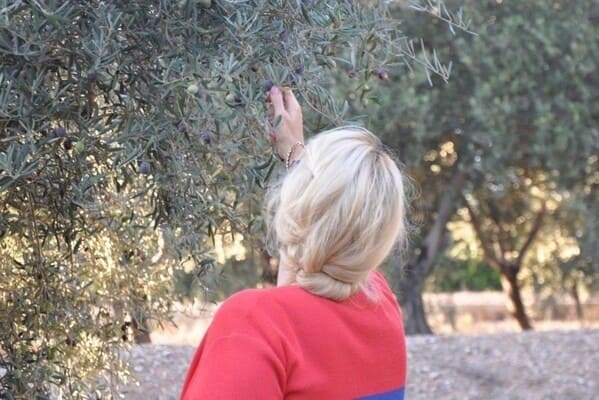
You will learn to manage the soil of your olive grove in different ways, taking into account a number of issues, such as: infiltration, run-off, erosion, evapotranspiration, importance of competition & importance of organic matter.
Olive Grove Management Course
KNOW THE KEYS TO ACHIEVE A HEALTHY AND PRODUCTIVE OLIVE GROVE
Training accredited under ISO 9001 standard
ONSITE
Duration: 2 days
Price: 1.300€
Olive Grove Management Course
Language: English
Next editions
ONSITE
The Olive Grove Management Course is for you, if are…

Master millers

Production managers

Olive oil mill operators

Amateur olive grove owners
Why should you take the Olive Grove Management Course?
Soil
management
Pruning, Plagues
and Diseases
You will learn how to perform an optimal pruning as well as to prevent plagues and diseases.
Nutrition and
Irrigation
You will learn about the necessary nutrients for the correct growth of the olive tree as well as the quantity and opportune moments to carry out the irrigation avoiding water stress.
Organic
olive grove
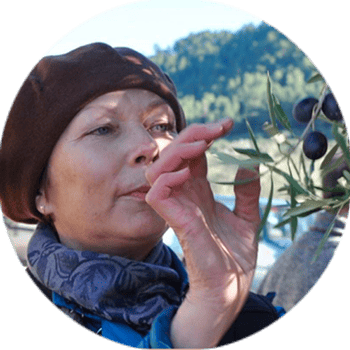
You will learn first-hand how to manage and maintain an organic olive grove.
Professional visits
to Olive Groves
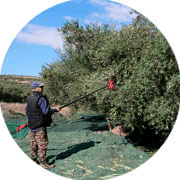
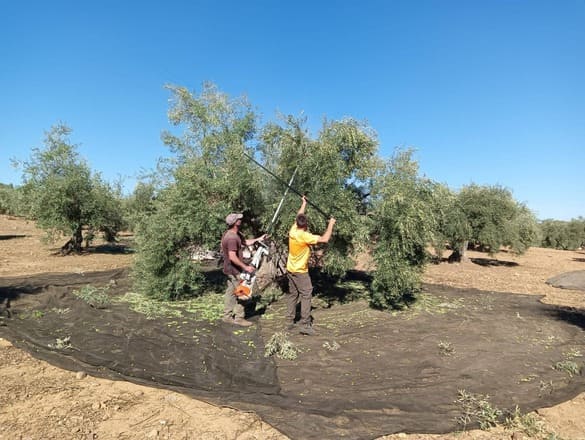
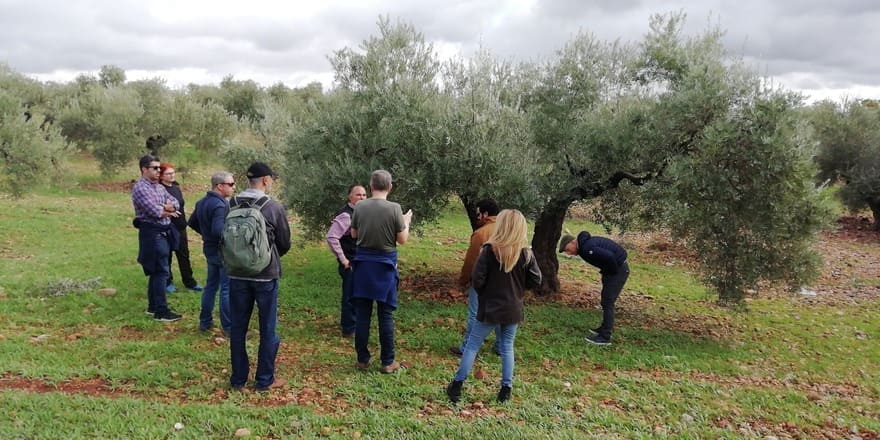
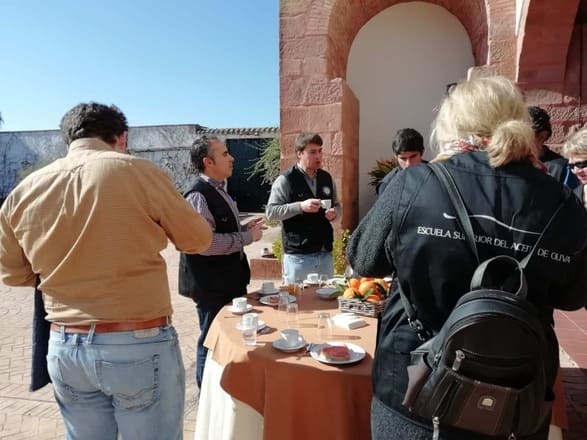
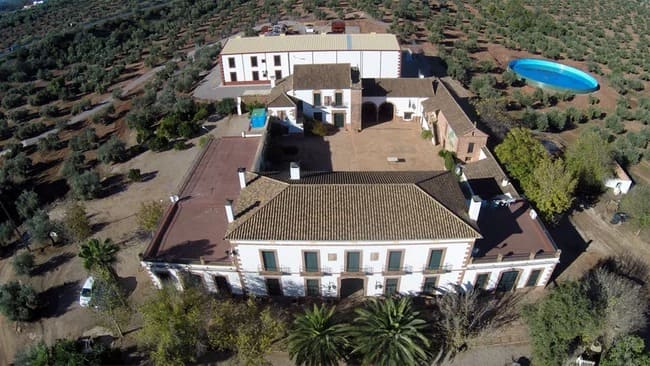
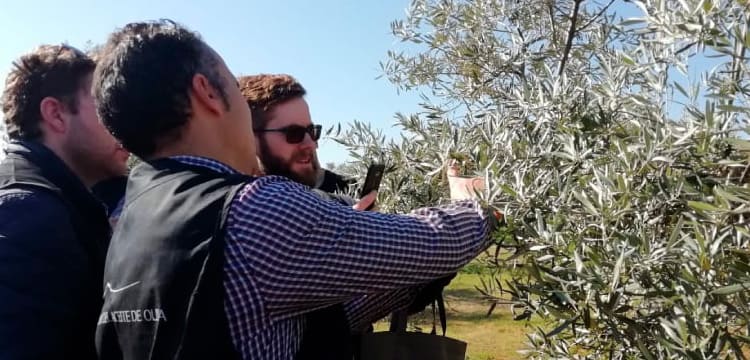
The professional visits will take place in olive groves in Villafranca de Córdoba and the surrounding area, including: super-intensive irrigated olive groves, super-intensive dry olive groves, traditional mountain olive groves, traditional flat-land olive groves, and traditional irrigated and dry olive groves.
Course
location
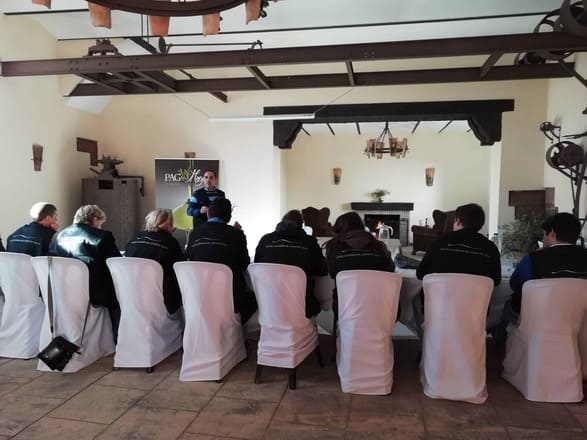
The theoretical lessons take place at AC Córdoba Hotel (Avenida de la Libertad 24, 14006 Córdoba), which is also the course meeting point.
The olive grove visits take place in rural areas around Villafranca de Córdoba, so we recommend renting a 4x4 vehicle.

-
Learn from an olive grove technician with extensive experience in this field.
-
Address all your questions and concerns to get the most out of your olive grove.
-
Understand the key factors that influence olive grove behaviour.
-
Acquire first-hand knowledge about the best olive grove practices.
-
Organic olive grove: learn first-hand how to manage and maintain an organic olive grove.
-
Networking: get in contact with other professionals from the sector at international level.
METHODOLOGY
Olive Grove Management Course
CONTENT
Olive Grove Management Course
ONSITE METHODOLOGY. STRUCTURE.
Introduction
- The olive tree as a domestic plant.
- The olive tree as a woody perennial plant.
- Limiting factors.
Soil management
- Infiltration, run-off, erosion and evapotranspiration.
- The importance of competition and of organic matter.
- Different options for soil management.
Pruning
- Exposure of leaves and fruits to light.
- Canopy density and volume.
- Wood weight.
- Productivity regulation tools.
Pests
- Olive moth (Prays).
- Jasmine moth (Glyphodes).
- Otiorhynchus weevils.
- Olive bark beetle (barrenillo).
- Olive fly.
Diseases
- Olive leaf spot (repilo).
- Cercospora leaf spot (emplomado).
- Olive knot (tuberculosis).
- Verticillium wilt.
Nutrition
- The concept of limiting factor.
- Nitrogen, phosphorus, potassium, calcium, magnesium, sulphur, boron, manganese, iron and zinc.
Irrigation
- The olive tree as a xerophytic plant.
- Key moments in which the olive tree should not suffer water stress.
MATERIAL
Olive Grove Management Course
Throughout the course, you will receive:
- PDF Olive Grove Management Book and digital Diploma granted by ESAO, sent by email.
- Corporate bag to keep your notes, plus a cap (according to time of year and availability).
- Lunch included in the registration fee.

ESAO Teaching Team
Strengthening our Teaching Team is an ongoing activity that leads us to continuously incorporate new experts whose dedication to the students, passion for teaching and personal qualities stand out.

Alumni Network
Once you start this Program, you will become part of the ESAO Community, with Alumni in over 20 countries.
As an ESAO student you will gain lifelong access to ESAO’s network and the opportunities that come with it.
What do our students say?

“I most liked the exchange of knowledge, also with the other students, meeting other growers and other mills and seeing how they work”.
Samuel Bernhart,
Olival da Risca.
Portugal, ESAO Alumni.
FAQ - Frequently Asked Questions
After finishing the course, can I continue my training at ESAO?
Yes. Continuous training is a fundamental pillar for success. You can continue your training through:
- Registering in our other ESAO training programmes.
- Our Executive MBA - Olive Oil Business & Consultancy, the highest degree that can be obtained within the School.
Do I need to speak English to apply to the Olive Grove Management Course?
Yes. English is a requirement for admission.
At the Olive Oil School of Spain, English is the working language used in the classroom. In case you do not speak English, please contact us to evaluate a different training alternative.
Can you help me with getting my visa to attend the course?
Yes. Our students are international and some of them need a visa to attend our courses.
Olive Oil School of Spain will provide as much support as possible to assist you. Applying for and obtaining the visa on time to begin the courses is your responsibility.
We recommend that you contact the Consulate as soon as possible upon admission and keep us informed of any difficulties you encounter.